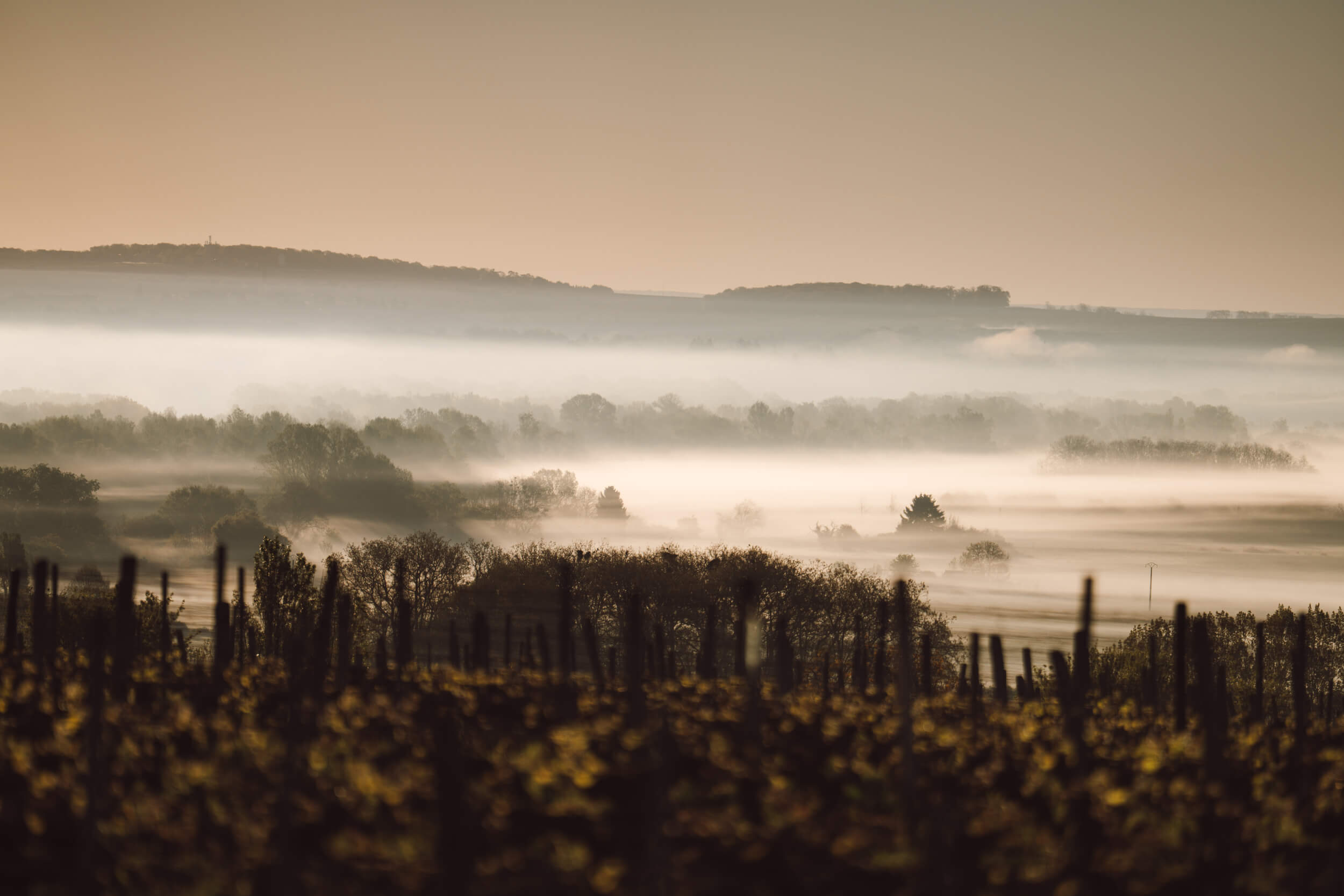
The Domaine’s harvest, which took place from 17 to 31 August, was marked by the low weight of the grapes picked, a consequence of record-breaking drought and heat. However, the vines demonstrated their resilience, producing healthy grapes in a year that was extraordinary in every respect. More importantly, the excellent concentration of the vintage’s juices points to high-quality, sun-kissed Sancerre wines.
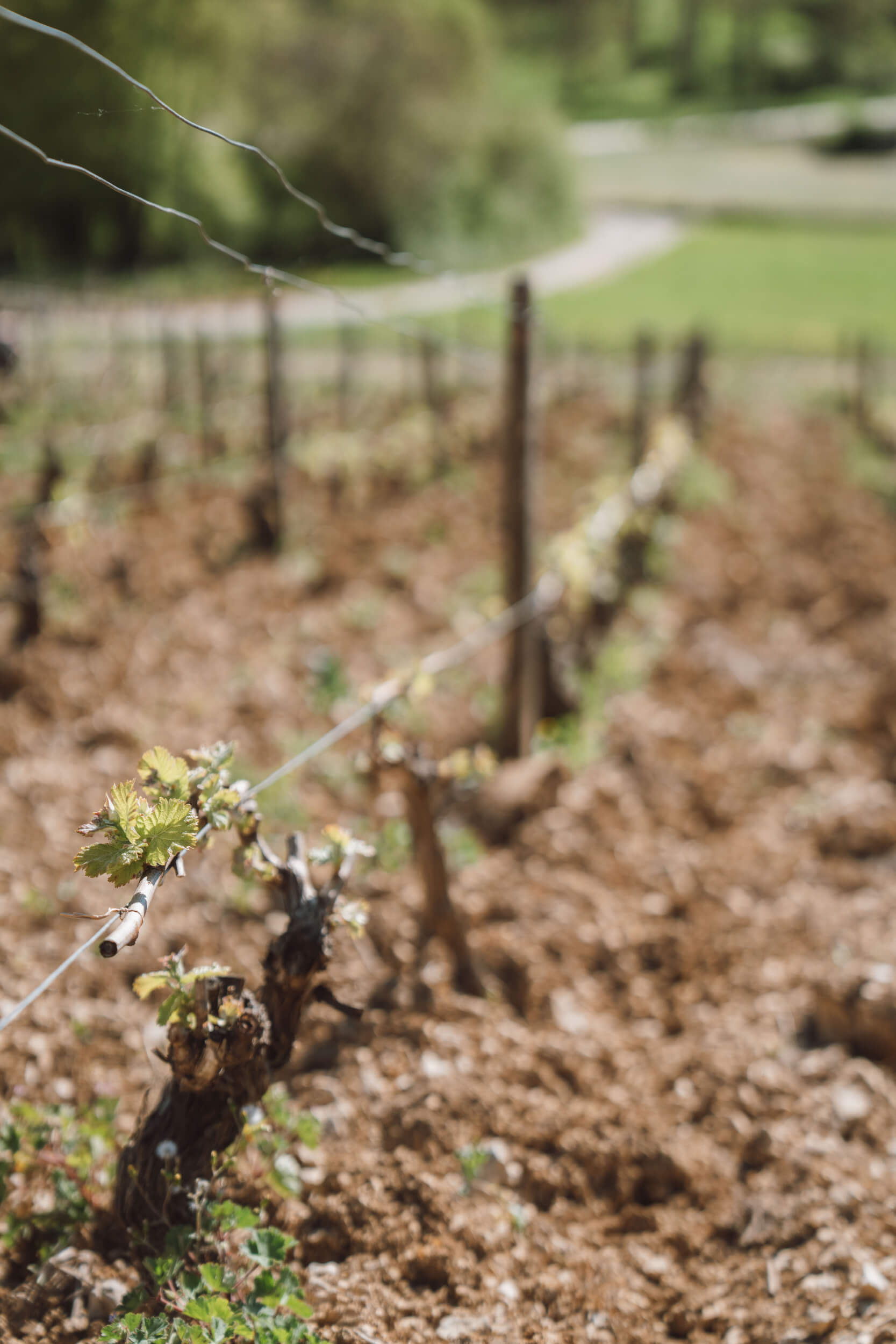
Resilient vines in the face of an exceptionally hot and dry year
2026 began with a very mild and rainy winter. The Domaine experienced just one week of cold weather, with temperatures dropping as low as -6°C, and a single frost episode, in the lower part of its Fontaine-Audon vineyard. This mild weather triggered particularly early budbreak, with an advance of 10 to 15 days depending on the plots.
Spring and summer average temperatures also rose well above the ten-year averages, further accelerating the vine’s growth cycle. Intense heat set in, including at night, with several successive heatwaves causing significant flower abortion during flowering. These heatwaves were compounded by extreme drought, varying depending on the exposure of each area, with only 20 to 50 mm of rainfall between June and early September in some plots. The vines were therefore subjected to constant water stress, sometimes leading to physiological shutdown. Sunshine levels were also exceptional, further intensifying the effects of drought and heat.
Despite these challenging weather conditions, the health of the vineyard plots remains very satisfactory. Resilient by nature, the vines continue to grow where other plants struggle. The care provided by the Domaine’s teams, together with the beneficial contribution of winter rainfall, has also helped support the vineyard through these demanding months.
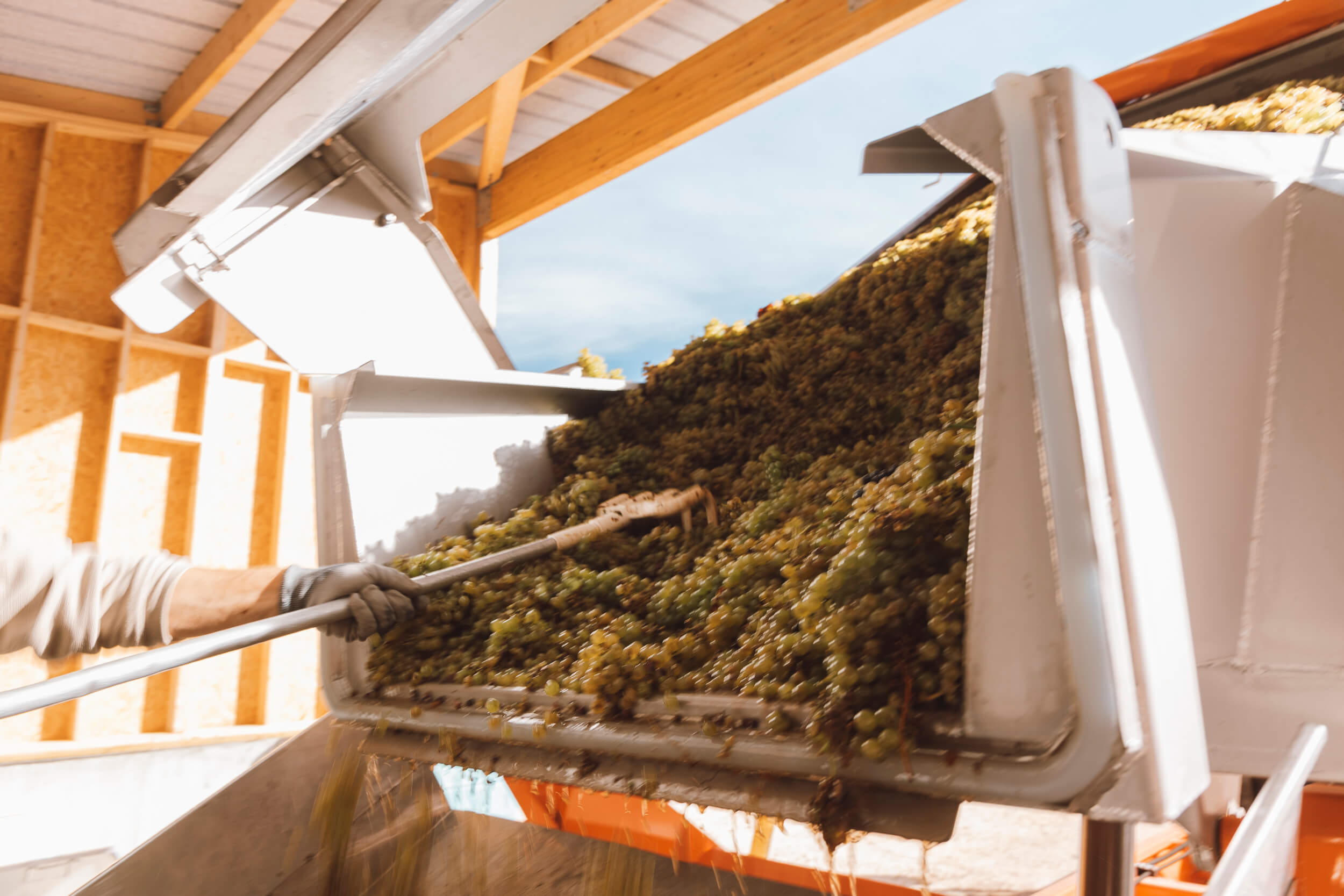
Harvesting adapted to heat and the exposure of the different terroirs
For the very first time, the Domaine’s entire harvest took place in August, from Monday 17 to Monday 31. It began as the fourth heatwave of the year was coming to an end, at Fontaine-Audon and in the Chavignol plots planted on Griottes soils. The 120 grape pickers generally worked from 4 a.m. to noon, in order to limit the teams’ exposure to the heat and preserve the freshness of the grapes.
After a long dry spell during the summer, some rain finally arrived. The second week of the harvest brought a welcome drop in temperatures and the first truly cool nights of the season, before the return of high temperatures.
For this vintage, the exposure of the plots proved to be a decisive factor in determining the order in which the different areas were harvested. South-facing plots, particularly those with shallow or flint soils, ripened early, while north-facing plots, with deeper, more clay-rich soils, were harvested towards the end.
Small berries, but excellent concentration
Drought and high temperatures limited berry growth. The weight of the grape bunches was among the lowest ever recorded. As a result, yields for the vintage were affected, coming in 20% below the Domaine’s targets. The climatic conditions also resulted in grapes with lower-than-usual acidity levels, but with high sugar concentrations.
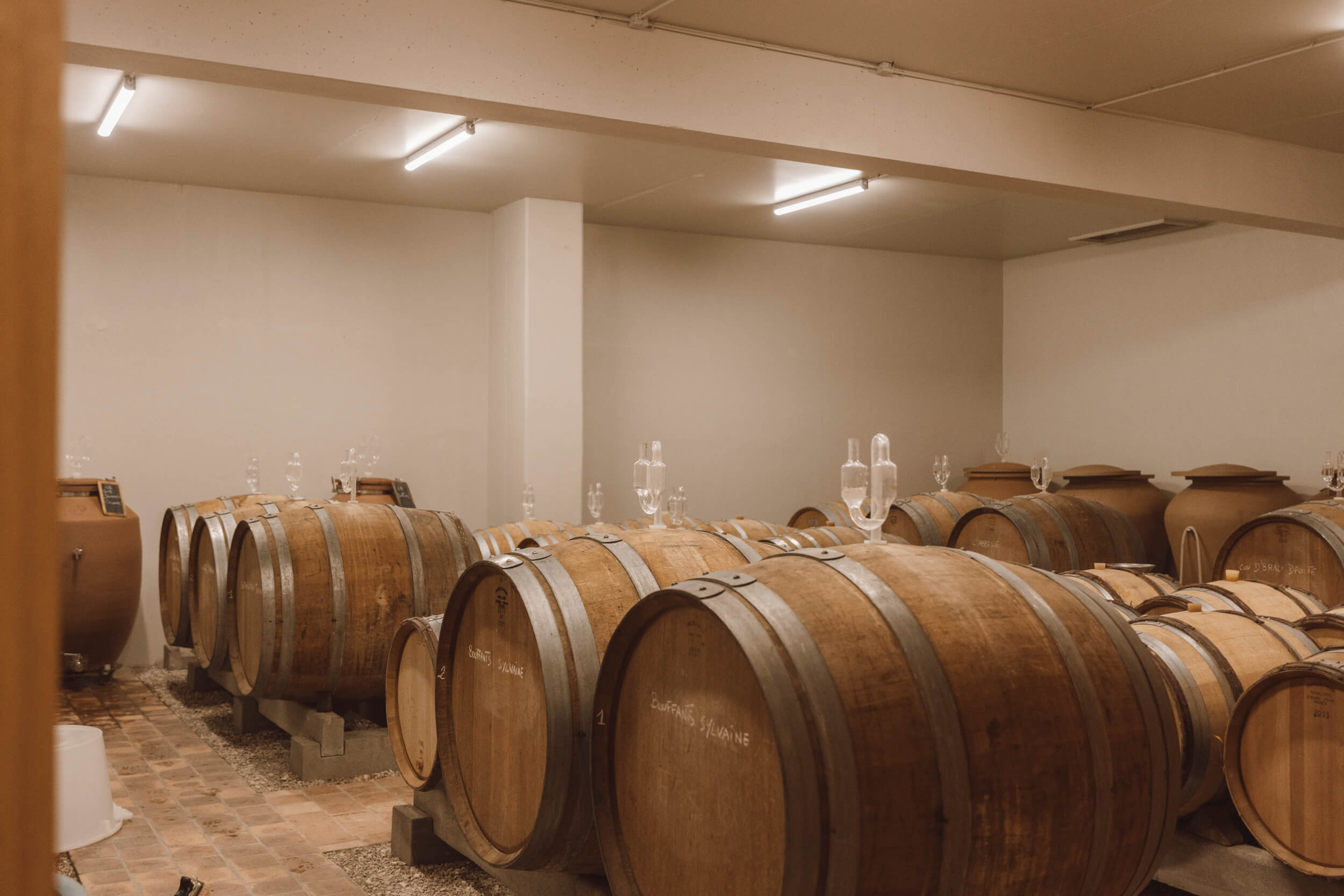
The Domaine is therefore expecting wines of excellent quality. Lower-than-expected yields have led to a high concentration of the juices, promising greater roundness and body than in previous years. Their aromatic profile is developing towards pronounced ripe fruit, supported by spicier and subtly brioche notes. The juices are now in the hands of the teams at the Domaine’s new gravity-fed winery, whose expertise and know-how will bring out the best in this sun-rich vintage, notably through tailor-made aging designed to soften its tannins.
« Despite the small grape bunches, the juices are already highly concentrated. We are likely to achieve a high-quality vintage with excellent ageing potential. » Rodrigo Zamorano
Adapting to climate change
In response to the growing risks of drought and extreme heat, the Domaine’s team has been adapting its vineyard management practices for several years. Since 2024, for example, the team has been implementing an organic fertilisation plan better suited to dry conditions than previous practices. This approach is already beginning to have a positive impact on the health of the vines and, consequently, on yields, which were better than expected this year compared with other areas of the appellation.
Another example of this adaptation is the pruning of Pinot Noir, which has been delayed until the end of winter for the past two years in order to reduce the vines’ earliness by around 10 to 15 days. This approach has proved particularly beneficial in sunny years such as 2026, helping to produce grapes with more moderate alcohol levels while retaining pleasant freshness.
For new plantings, the Domaine is making use of the main lever currently available: prioritising drought-resistant rootstocks, whereas previous choices tended to favour resistance to moisture. Young vines are also thinned more heavily, allowing them to devote their resources to their own growth and improve their resilience during dry years.
